
Celebrating 10 Years of Food Security
We began our work in 2011, after a study commissioned by Rick Peyser at Green Mountain Coffee Roasters (GMCR) reported that most coffee-farming families experience anywhere from three to eight months of food insecurity every year, when their coffee income runs out.
The takeaway:
People who grow coffee don’t own enough land to make it work economically. The study left many in the coffee industry feeling overwhelmed and helpless. If coffee alone wasn't enough to support a family, what else could the industry do?

We looked at the work being done by other organizations, and decided to approach the issue from a different angle: we’d focus on developing “knowledge in action” - local expertise, leadership, and co-op partnership to reach and support farming families - to sustain and grow the work independently. This could give farming families enough food and income to stay together, on their farms, growing coffee. And not just while the project was funded by donations, with NGO support, but long after that.
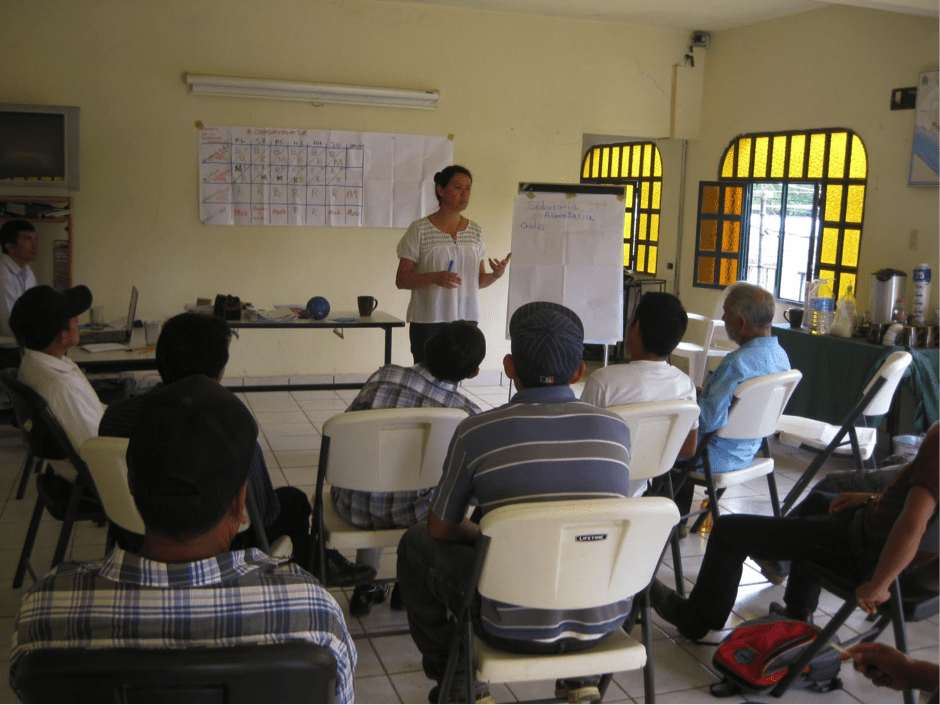
Our first partner was an organization we knew from our previous work: SOPPEXCCA, based in Jinotega, Nicaragua. In July 2011, we began to identify, develop and implement long-term strategies with co-op members and leaders that could reduce seasonal hunger and help families build a more secure, diverse economic foundation on their farms. Over the 10 years we’ve worked with SOPPEXCCA, subsequent strategies ranged from crop diversification to school gardens, soil and water conservation, and food security education for hundreds of families.
In 2012, coffee leaf rust started making its way through Central America and Mexico, and farmers lost as much as 80% of their harvest. The coffee income gap became more problematic as a growing number of farmers left their homes in search of work. Without a long-term strategy to deliver reliable income closer to home, they were unable to weather inevitable crises.
After a year of coffee rust devastation, our second partner, CESMACH, was looking to develop effective, long-term strategies to deliver income more quickly than the 3-5 years it would take to replace their coffee plants. In 2013, we worked with them to identify commercial beekeeping as a key strategy that could build better livelihoods and nutrition.
In 2014, Root Capital hired us to work with the Maya Ixil cooperative in Guatemala, and in 2015, we received funding from Progreso Foundation to add Nuevo Futuro in Colombia and continue to support CESMACH’s commercial beekeeping venture. And in 2017, we began collaborating with our newest partner, ACODIHUE, who wanted to strengthen their beekeeping program and build home gardens.
With each partner, we listened. We considered each culture culture, capacity, and character of each community to figure out how to use our agroecological, participatory approach in ways that fit the community.
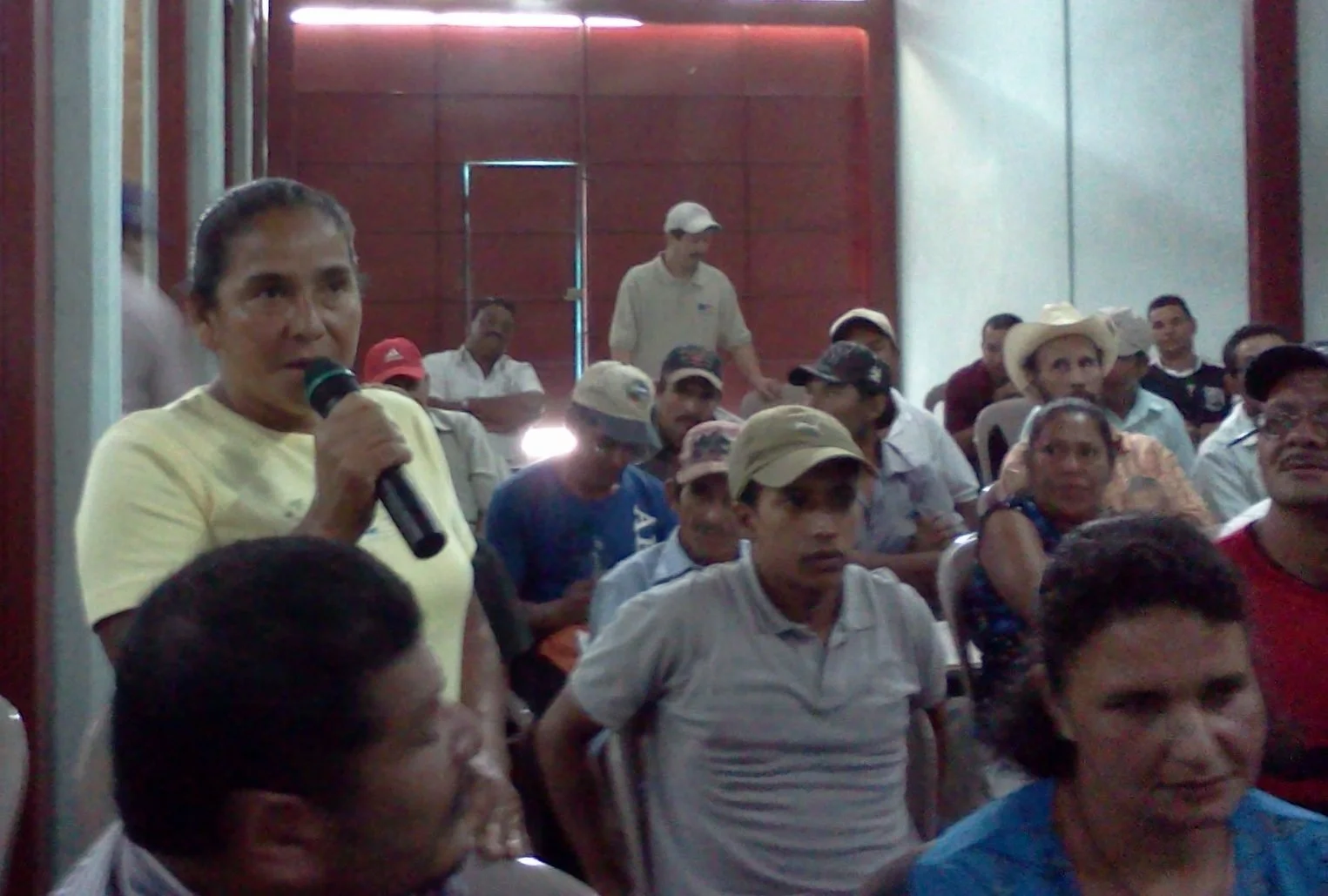
Over the years, our programs have evolved along with our partners’ expertise. SOPPEXCCA and Nuevo Futuro wanted to add school gardens to reach more families outside the co-ops, targeting students as new leaders for strong local food systems and good nutrition. As kids learn to grow and eat healthy foods at school, they advocate for healthier diets at home, bringing change from within the community. SOPPEXCCA now has school garden programs in 13 schools, serving over 2,600 students and their families, representing more than 10,000 people in the larger community.
Currently, we work with six cooperatives in four countries with the ability to reach 50,000 people—the families of co-op members—along with several hundred thousand people in the larger communities. We believe co-ops can have a transformative impact on local, regional, and national food security and livelihoods. And we want to ensure that our partners are prepared for the inevitable challenges thrown at them, so they no longer focus on merely surviving, but can thrive.
We’re very proud of what our partners have accomplished. A few highlights:
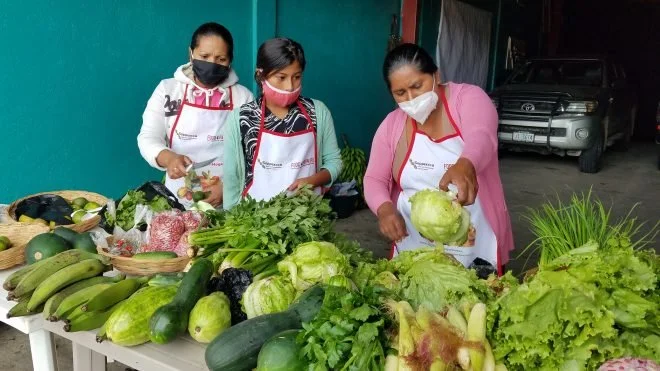
At SOPPEXCCA, a women-led farmers market generates extra income for families all year long by selling fruit, vegetables, and value-added products to customers in Jinotega, a city of 130,000. The ripple effect has been enormous: women are earning their own money, learning new business skills, and sending their daughters to university.
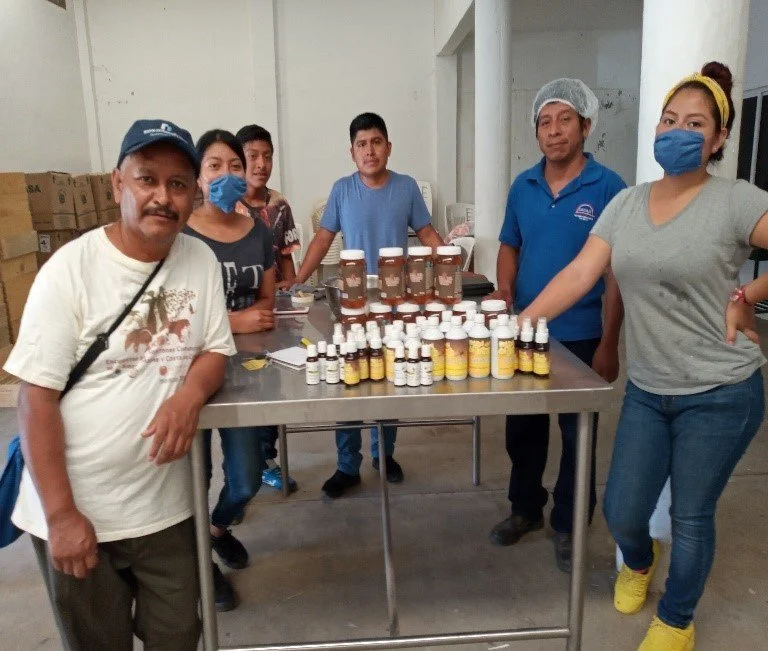
At CESMACH in Mexico, coffee producers turned beekeepers have grown their businesses and the group is selling their honey to multiple premium buyers. Coffee farmers who start a new beekeeping business can harvest honey and earn income in the first year. In fact, after only one year of honey production, new beekeepers report that instead of looking for work elsewhere to supplement income, they’re staying on their farms – and selling honey and other bee products locally.
Our new agroforestry program, funded by Grow Ahead, kicked off this year at COMEPCAFE. 17 young community food security promoters are working with the community to build a new tree nursery - with hardwoods, bananas and plantains, bamboo, and fruit trees - for food production, to conserve water, and to shade coffee plants for 150 member-families. In addition to buying trees, members are rescuing and growing seeds and seedlings from the surrounding forest, making this a truly sustainable long-term effort to restore native agroforestry systems on and around coffee farms.